
Current Projects
I3C DECADE: Developmental Epidemiology of Childhood Cardiovascular Exposures and Alzheimer’s Dementia. (R01 AG077497)
The DECADE study aims to evaluate how childhood cardiovascular risk factors such as blood pressure, obesity or lipids, may impact adult brain health, and how this might differ by race or socioeconomic status. This study will re-enroll participants from three different longitudinal studies, including the Princeton Lipid Research Study, for a single study visit. The visit takes place at Cincinnati Children's Hospital Medical Center and the University of Cincinnati Neuroimaging Center, and participants will be paid for their time.
In-person study visit includes:
Online questionnaires (completed prior to visit)
Standard clinic measurements (e.g., height, weight, blood pressure)
Blood draw for glucose, insulin, lipids and specialized research assays
Cardiovascular imaging (heart structure/function, atherosclerosis)
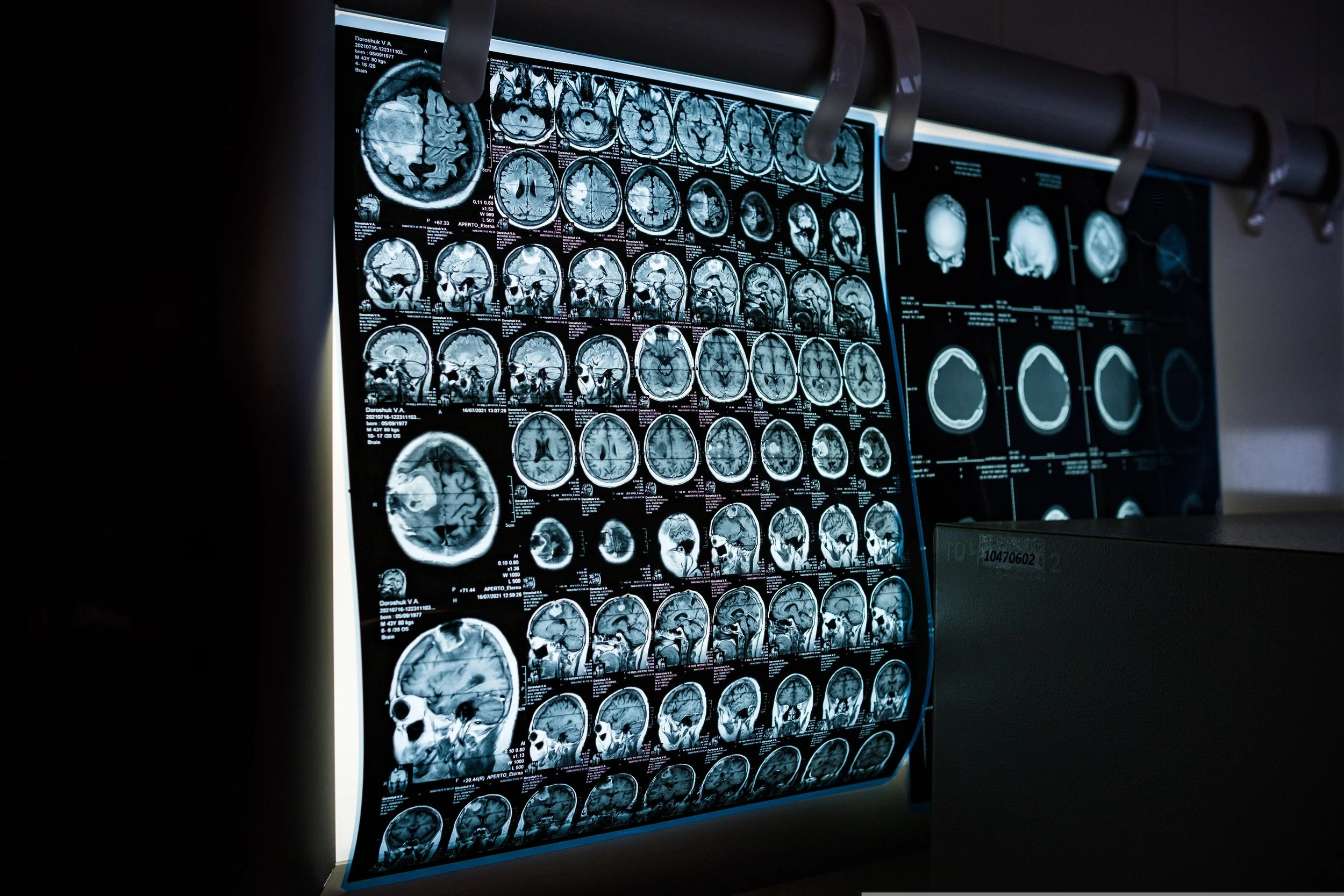
Brain MRI (brain structure and function)
Cognitive assessments
Status: Currently enrolling
If you live outside the Cincinnati area and would still like to participate, we are developing a remote visit option, which would not include cardiovascular imaging or brain MRI. Please let us know if that would be of interest to you as we roll this option out in early 2026.
DECADE - Brain Health Study (RF1 NS036695)
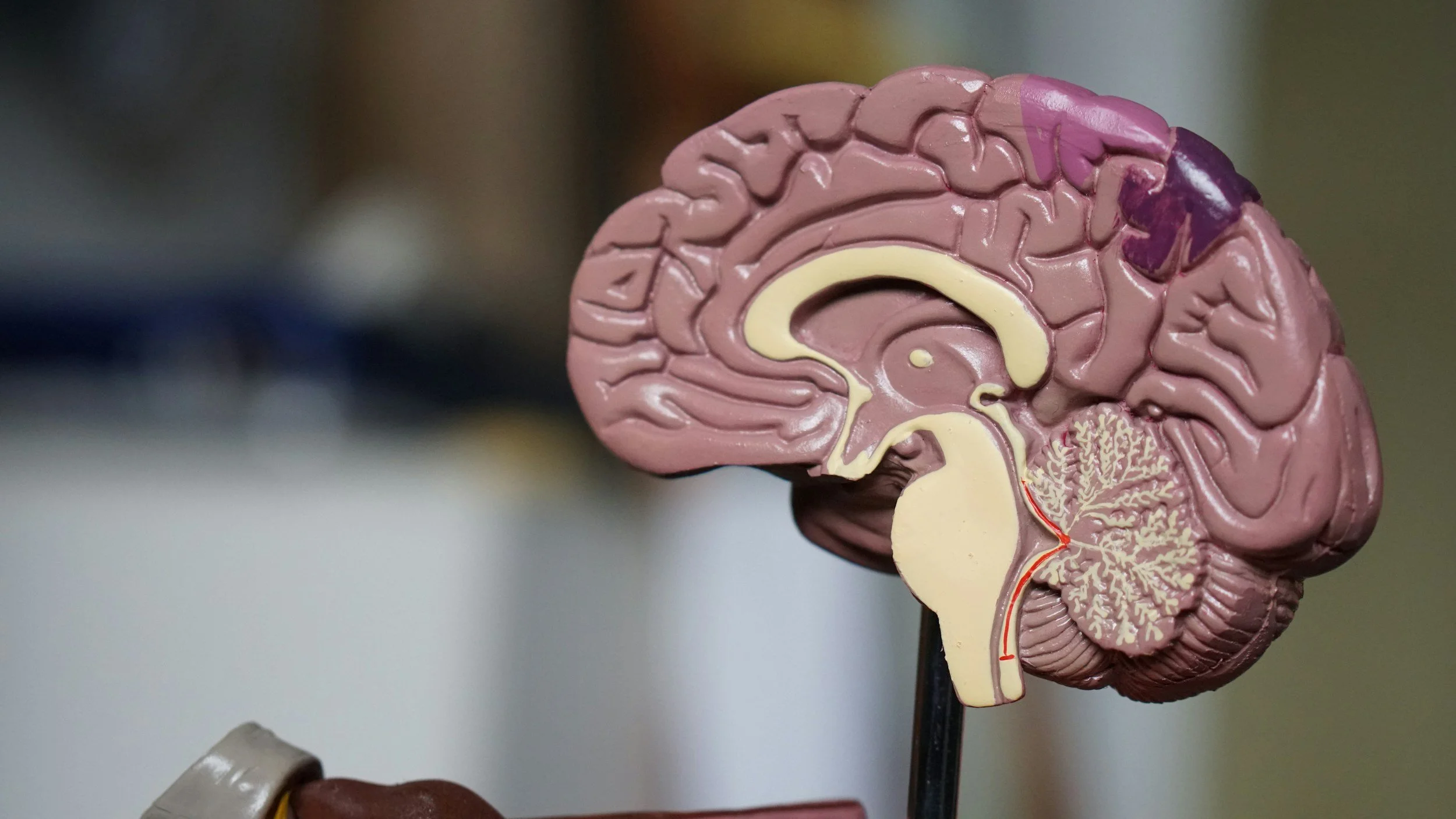
Intracerebral hemorrhage (ICH) is the most extreme subtype along the spectrum of cerebral small vessel diseases (CSVD) that includes white matter hyperintensity (WMH), small vessel (lacunar) ischemic stroke and vascular cognitive impairment. We will leverage the NIA-funded i3C DECADE grant cohorts in the Cincinnati, Ohio regions originally recruited as children in the 1970s and 1980s. The i3C DECADE grant is performing an MRI on participants and collecting an enriched dataset of cardiovascular variables including vascular testing and neurocognitive examinations.
We will re-enroll 400 participants of the i3C DECADE Study for follow-up visit ~ 1½ to 2 years after the DECADE visit, plus a 3-year (±6 months) follow-up MRI, additional serial cognitive examinations and detailed dietary histories which will include a polyamine specific history and serial blood sampling. Participants in Brain Health must have completed the MRI portion of the original DECADE study to be eligible.
Status: Currently enrolling